- September 13, 2026

You are about to swap a token on a decentralized exchange. The interface asks you to approve a spending limit, then asks you to sign the swap itself. The first transaction appears routine, but it may grant a contract permission to move some amount of your tokens later. The second may look like a simple trade, yet its outcome depends on changing balances, prices, fees, and contract behavior. This is where a wallet should do more than hold keys. It should help you understand what a signature authorizes before that signature becomes irreversible.
For US-based DeFi users, the practical question is not whether a wallet can display a transaction request. Almost every modern wallet can do that. The more useful question is whether the wallet helps distinguish an approval from a transfer, an estimated result from a guaranteed result, and a familiar application from a trustworthy contract. Token approval management and transaction simulation address different parts of that problem. Used together, they create a risk-control process rather than a false promise of safety.
The first misconception: approval is not the swap
Many newcomers assume that approving a token means the trade has already happened. It does not. On networks using the common ERC-20 token model, an approval changes an allowance: a recorded permission that lets a designated spender contract move tokens from a wallet, usually within a stated limit. A later swap or deposit can use that permission. The approval is therefore closer to signing a standing instruction than handing over cash at the same moment.
This distinction matters because allowances can outlive the immediate transaction. A decentralized application may request an allowance equal to the exact amount being traded, or it may request a very large amount so future transactions do not require repeated approvals. The second approach can reduce gas costs and friction, but it expands the damage that could occur if the spender contract is compromised, incorrectly designed, or used through a malicious interface. The convenience is real; so is the additional exposure.
A useful mental model is to treat each approval as a relationship among three parties: the token contract, the spender address, and the wallet owner. The wallet owner is not approving “the website” in a vague sense. The owner is authorizing a particular on-chain address to call a token function under specified rules. A polished interface can obscure that fact, while a careful wallet review can bring it back into view.
What approval management can and cannot solve
Approval management lets users inspect existing allowances and, where supported, reduce or revoke them. This is valuable for cleaning up permissions from applications no longer in use, limiting the consequences of a forgotten approval, and checking whether a wallet has accumulated broad permissions across several protocols. It is especially relevant for users who have tested many bridges, exchanges, yield markets, and NFT applications over time.
Yet revoking an approval is not the same as recovering funds that have already been moved. If a malicious spender has used its authorization, changing the allowance afterward does not reverse the transfer. Revocation is a preventative control, not a time machine. It also normally requires another on-chain transaction, which means network fees and the possibility of signing the wrong action still exist. During periods of high gas costs, a user may reasonably prioritize urgent protection over routine cleanup.
There is another boundary condition. Not every token or protocol follows the simplest approval pattern. Some tokens have unusual implementations, some applications use permit-style signatures or other authorization methods, and some protocols route actions through multiple contracts. A dashboard that shows one allowance cannot necessarily summarize every permission a user has granted. Approval review should therefore be treated as a meaningful inspection layer, not a complete formal audit of wallet risk.
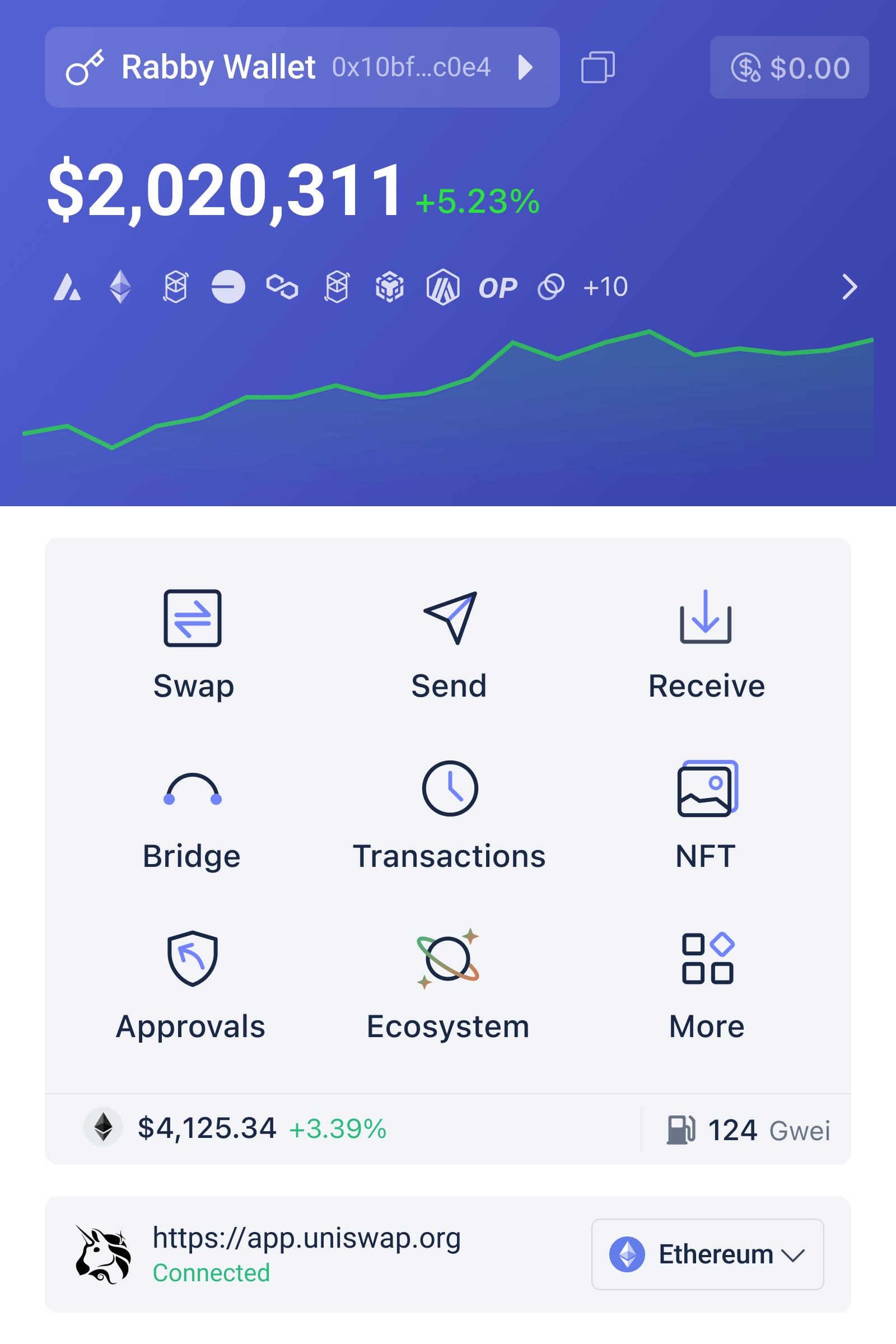
Before installing any wallet extension, users should verify that they are obtaining it through a trusted source and that the browser extension matches the intended project. A reputable installation process should never require a seed phrase to be pasted into a web form. Users researching the rabby extension should still apply this basic rule: the security of a wallet begins with key handling, not with the appearance of its interface.
Transaction simulation is a forecast, not a guarantee
Transaction simulation works differently from approval management. It attempts to execute a proposed transaction in an estimated blockchain state before the user signs and submits it. The resulting preview may indicate expected token changes, contract calls, balance effects, or a likely failure. This can reveal a mismatch between what a user thinks they are doing and what the transaction appears capable of doing.
The important word is “appears.” A simulation is a conditional forecast based on available state, chosen network, transaction data, and the simulation environment. It is not a cryptographic guarantee of future behavior. The state can change between simulation and inclusion in a block. A swap’s price may move, liquidity may change, a contract may behave differently under a new block context, or an external dependency may produce another result. Slippage limits reduce some execution uncertainty, but they do not eliminate contract or authorization risk.
This corrects a second common misconception: a favorable simulation does not prove that an application is safe. A malicious contract can produce an understandable-looking result while requesting a dangerous approval, invoking an unexpected contract, or relying on logic that is difficult to interpret. Conversely, a simulation warning may reflect a genuine but benign issue, such as a state change that makes a quote stale. The right response is investigation, not automatic panic or automatic trust.
Simulation is most useful when it answers a concrete question. Will the wallet lose the expected input amount and receive the expected output? Is the transaction interacting with the intended chain and contract? Does a deposit produce a receipt token or another position representation? Does an approval request ask for more authority than the immediate action appears to need? These questions convert a technical preview into a decision tool.
Three ways to manage DeFi permissions
Broad approvals: efficient but expansive
Unlimited or very large approvals are convenient for active users. They may avoid repeated approval transactions and can make routine interaction faster. Their weakness is duration and scope. If the spender remains authorized, a later vulnerability may expose more tokens than the user intended to commit to one trade. This approach fits experienced users who understand the protocol, separate funds across wallets, and monitor permissions regularly, but it is a poor default for a wallet holding long-term savings.
Exact approvals: narrower exposure, more friction
An exact approval limits the allowance to the amount needed for a particular action. It reduces the authority left behind, but it may require another approval when the user returns to the application or makes a larger transaction. More transactions also mean more fees and more opportunities to sign carelessly. Exact approvals are often sensible for unfamiliar protocols, experimental applications, or wallets where minimizing residual permissions matters more than speed.
Separate wallets: containment rather than convenience
Using one wallet for testing and another for larger holdings is not a substitute for simulation or approval review. It is a containment strategy. If an experimental wallet is compromised, the loss may be limited to the funds intentionally placed there. The trade-off is operational complexity: users must track addresses, networks, and assets carefully, and a mistaken transfer can be difficult or impossible to correct. For many DeFi participants, this layered approach is stronger than asking one wallet to serve as both a laboratory and a vault.
A practical review sequence before signing
Start with the action, not the branding. Identify whether the request is an approval, a transfer, a swap, a deposit, a withdrawal, or a combination of calls. Then inspect the token, spender address, requested amount, destination network, and expected asset changes. If the request is an approval, ask why the application needs that authority and whether the allowance can be limited without undermining the intended use.
Next, read the simulation as a set of assumptions. Confirm that the expected assets leaving and entering the wallet make sense. Treat unexplained native-token transfers, unexpected approvals, unfamiliar contract calls, or a mismatch between the displayed application and the transaction target as reasons to stop. A simulation that cannot produce a clear result should increase caution; it should not be interpreted as evidence that signing is harmless.
After the transaction is complete, review the resulting allowance and balances rather than assuming the interface is correct. For a one-time interaction, consider reducing an unnecessary approval when the network fee and operational risk make that reasonable. For recurring use, keep a written or mental inventory of active protocols and periodically examine permissions. The goal is not to revoke everything constantly. It is to make authorization proportional to actual use.
What to watch as wallet security develops
Wallets are moving toward a more interpretive role: not merely displaying raw calldata, but translating it into probable effects for ordinary users. If those explanations become more accurate and more consistent across chains, users may be better able to catch mismatched approvals and unexpected asset movements. The conditional opportunity is substantial, but it depends on reliable data, understandable warnings, and users who recognize uncertainty instead of treating a green indicator as a guarantee.
The unresolved issue is standardization. DeFi applications use different contract designs, authorization methods, and transaction bundles. A wallet may explain a common swap clearly while offering less certainty about a novel protocol or an unusual signature. Users should therefore combine wallet previews with conservative exposure, verified application domains, separate accounts where appropriate, and a willingness to decline transactions they cannot explain.
Frequently Asked Questions
Is revoking a token approval always necessary?
No. Revocation can reduce the authority left with a spender, but it costs a transaction fee and does not recover assets already taken. It is most useful when an application is no longer trusted or needed, when an allowance is broader than intended, or when funds are being moved out of an active wallet.
Can transaction simulation guarantee that a DeFi transaction is safe?
No. Simulation can expose likely outcomes and inconsistencies before signing, but it depends on an estimated state and cannot certify the honesty of a contract or guarantee future execution. Use it to ask better questions, then assess the spender, requested authority, application, and amount at risk.
Should a new DeFi user use unlimited approvals?
Usually, caution is preferable when the protocol is unfamiliar. A narrower approval may create extra fees and friction, but it limits the authority that remains after the immediate action. More experienced users may accept broader approvals for established workflows, provided they separate funds and review permissions periodically.
The central lesson is simple but easy to miss: signing a transaction is not one decision. It is a decision about authority, timing, expected effects, and acceptable loss. Approval management controls what a contract may do later; simulation helps examine what a proposed transaction may do now. Neither replaces judgment, but together they turn wallet use from a blind confirmation exercise into a more disciplined form of risk management.