Degree360 Solutions

The Real Money Online Casino Guide for Players Who Want to Win Big
Real-money online casino

Real-money online casinos have transformed the way players experience gambling, offering instant access to hundreds of authentic games from the comfort of home. With secure payment methods, generous bonuses, and licensed operators, these platforms deliver a convenient and thrilling alternative to traditional brick-and-mortar casinos.

Navigating the Digital Wagering Landscape

Getting into the world of online betting platforms can feel like wandering through a giant, noisy casino. You’ve got dozens of apps, flashy bonuses, and odds shifting by the second. The trick is to slow down. First, check if the site is licensed—no license, no thanks. Then set a strict budget before you even log in.

Never chase a loss with money you can’t afford to lose.

Read the fine print on those welcome offers, because wagering requirements can trap you. Finally, use tools like deposit limits and time-outs. Treat it as entertainment, not a paycheck, and you’ll navigate the chaos just fine. And remember, responsible gambling tools are your best friend in this digital jungle.

How Licensed Platforms Operate

Mastering the digital wagering landscape requires a strategic approach to thrive in today’s competitive market. Success hinges on prioritizing secure platforms, understanding local regulations, and leveraging data-driven insights to refine your betting strategy. To stay ahead, focus on these critical elements:

  • Verify licensing and security protocols before committing funds.
  • Set strict bankroll limits to manage risk effectively.
  • Utilize real-time analytics for informed decision-making.

Embrace responsible practices and continuous education to turn challenges into profitable opportunities.

Key Differences Between Social and Cash Gaming Sites

Navigating the digital wagering landscape demands more than luck—it requires disciplined online betting strategy. Start by licensing checks: only use regulated platforms with transparent odds and verified payouts. Set strict deposit limits before you play, never chase losses, and treat bonuses as conditional, not free. Track every wager in a simple log to spot patterns and control spending. Remember that odds reflect probability, not certainty, so bankroll management matters more than any “sure thing.”

  • Verify platform licenses and payment security.
  • Set deposit and time limits upfront.
  • Read bonus terms before opting in.
  • Never bet money you cannot afford to lose.

Q: Is online wagering safe?
A: Only on regulated, licensed sites—and only with strict personal limits.

Understanding House Edge and Return-to-Player Rates

Navigating the digital wagering landscape requires understanding platform legality, licensing, and responsible-gambling tools. Users should verify operator credentials, review terms on withdrawals and bonuses, and use deposit limits or self-exclusion features. Secure connections and two-factor authentication further protect accounts.

Always confirm that a wagering site is licensed by a recognized authority before depositing funds.

Payment Methods for Deposits and Withdrawals

Navigating the world of online payment methods can feel like a thrill ride, but understanding your options for deposits and withdrawals is key to a smooth experience. From instant credit card transactions and e-wallets like PayPal or Skrill to direct bank transfers and emerging cryptocurrencies, each method offers unique speeds, fees, and security levels. While deposits are often immediate, withdrawals may take longer due to verification. Always check processing times and limits, because choosing the right deposit and withdrawal options ensures your money moves as dynamically as you do—fast, safe, and on your terms.

Real-money online casino

Credit Cards, E-Wallets, and Bank Transfers

Funding your account is fast and flexible thanks to a wide range of secure payment methods for deposits and withdrawals. Most platforms accept credit and debit cards, e-wallets like PayPal, Skrill, and Neteller, plus bank transfers and cryptocurrencies. Deposits usually clear instantly, while withdrawals may take a few hours or days depending on the provider. Common options include:

  • Visa and Mastercard
  • PayPal, Skrill, Neteller
  • Bank wire transfers
  • Bitcoin and other cryptocurrencies

Always check fees, limits, and processing times before choosing your preferred method.

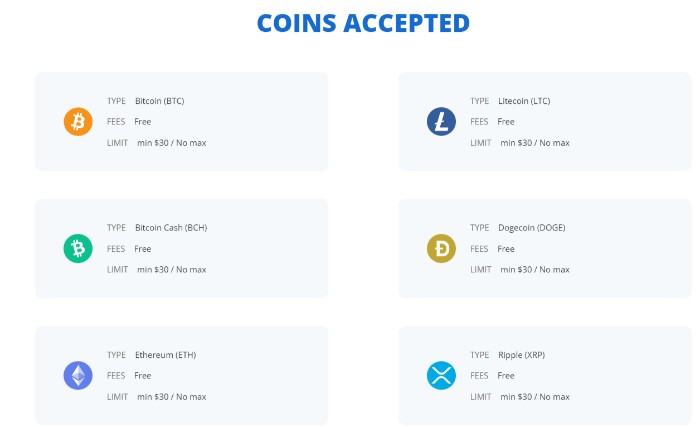
Cryptocurrency Option

Choosing the right payment methods for deposits and withdrawals directly impacts your funds’ speed, security, and cost. Prioritize methods that align with your banking habits and transaction size. For instant access, debit cards and e-wallets work best; for larger amounts, bank transfers offer lower fees despite slower processing. Always verify processing times and limits before committing.

  • Debit/Credit Cards: Instant deposits, 1–5 day withdrawals
  • E-Wallets: Fast both ways, small fees
  • Bank Transfers: Low fees, 1–3 business days
  • Cryptocurrency: Fast, volatile, less regulated

Q: Which method is fastest for both deposits and withdrawals?
E-wallets typically offer the quickest round-trip, though fees may apply.

Processing Times and Fee Structures Explained

Flexible online casino payment methods make moving money fast, secure, and stress-free. Deposits typically include credit and debit cards, e-wallets like PayPal, Skrill, and Neteller, bank transfers, and even cryptocurrencies such as Bitcoin. Withdrawals often mirror these options, though processing times vary: e-wallets are quickest, cards take a few days, and bank transfers may be slower. Always check fees, minimum limits, and verification requirements before cashing out. Choosing the right method balances speed, security, and convenience for every player.

Evaluating Safety and Fairness

Evaluating safety and fairness in language is essential for building trustworthy AI systems that serve everyone equitably. Rigorous assessment must examine whether models generate harmful, biased, or exclusionary content across diverse demographics, contexts, and dialects. Fairness evaluation demands testing for representational harm, stereotyping, and disparate performance across gender, race, and socioeconomic lines. Meanwhile, safety evaluation probes for toxic outputs, misinformation, and manipulation risks. Together, these audits expose hidden vulnerabilities before deployment, protecting users and preserving institutional credibility. Organizations that prioritize transparent, continuous evaluation will lead the field, turning ethical language technology from aspiration into measurable, accountable practice.

Random Number Generators and Independent Audits

When Maya deployed her chatbot, she watched it charm users—until it demeaned a caller and invented a false refund policy. That day, she learned that evaluating safety and fairness in AI language models means testing for toxic outputs, bias across demographics, and factual reliability before real audiences arrive. She built a simple review loop:

  • Red-team prompts for hate, harassment, and harmful advice
  • Audit responses across gender, race, and dialect
  • Score fairness with human reviewers and automated metrics
  • Log failures and retrain on balanced data

Only then did her chatbot earn trust.

SSL Encryption and Data Protection Protocols

When a chatbot told a traveler to visit a closed museum, the team realized safety and fairness weren’t optional. Evaluating safety and fairness in AI language models became their daily ritual. They tested for toxic outputs, biased stereotypes, and harmful advice. Every response was a small story of trust. They used a checklist:

  1. Scan for hate speech.
  2. Check demographic parity.
  3. Verify factual grounding.

One phrase, “human-centered evaluation,” guided every audit. Fairness meant no voice was silenced; safety meant no user was endangered. In the end, they learned that metrics alone don’t build trust—empathy does.

Recognizing Red Flags of Unregulated Operators

When Maya launched her AI tutor, she celebrated its fluency—until a student asked about career choices and the model nudged boys toward engineering and girls toward caregiving. That moment revealed why evaluating safety and fairness in language models matters far beyond metrics. Fairness evaluation checks for bias across gender, race, and dialect, while safety testing probes harmful outputs like harassment or misinformation. Together, they form a moral compass, not a checklist. Teams should test diverse prompts, audit responses with affected communities, and document failures openly, because trust is built when systems protect dignity, not just accuracy.

Bonuses, Promotions, and Loyalty Programs

When Maya first joined the café’s rewards app, she thought it was just another gimmick. But after her fifth latte, a free birthday drink appeared, and she was hooked. Bonuses, promotions, and loyalty programs aren’t just discounts—they’re small rituals that make customers feel seen.

Every point earned is a quiet promise: keep coming back, and we’ll keep rewarding you.

From double-stamp Tuesdays to surprise upgrades, these strategies turn casual buyers into devoted regulars. The secret? Consistency and delight, because a well-crafted loyalty program doesn’t just fill a punch card—it builds a story of belonging.

Welcome Packages and Free Spins Offers

Bonuses, promotions, and loyalty programs are powerful tools that drive repeat business and boost customer lifetime value. A well-designed customer retention strategy rewards buyers with points, cashback, or exclusive perks that make every purchase feel worthwhile. Smart brands use tiered rewards and limited-time offers to create urgency and deepen engagement. Consider these high-impact tactics:

  • Points-based rewards for every dollar spent
  • VIP tiers with free shipping and early access
  • Referral bonuses that turn customers into advocates

When executed consistently, these programs transform casual shoppers into loyal fans who keep coming back.

Wagering Requirements and Terms to Review

Bonuses, promotions, and loyalty programs turn casual buyers into devoted fans by rewarding every purchase. A smart customer retention strategy blends cashback, points, and exclusive deals to keep audiences engaged. Here’s what drives results:

  • Instant bonuses spark first-time conversions
  • Tiered promotions encourage bigger spending
  • Loyalty rewards build long-term habits

When done right, these incentives boost lifetime value and create a winning loop of repeat business.

Real-money online casino

VIP Tiers and Cashback Incentives

Maria never expected a simple coffee card to change her spending habits, but the customer loyalty program turned her weekly visit into a ritual. Each punch brought her closer to a free latte, while surprise bonus points on rainy days made her feel genuinely rewarded. When the shop launched a seasonal promotion—double points for bringing a friend—she invited coworkers, and suddenly her small perk became a social event. These small wins kept her coming back, not because she needed caffeine, but because she felt seen. Bonuses, promotions, and loyalty programs work best when they feel personal, turning transactions into relationships that customers actually want to maintain.

Game Selection Across Top Platforms

When Mira sat down to choose a game, she faced a familiar dilemma: her console, PC, and phone each offered different worlds. On consoles, exclusives like God of War shine, while PCs dominate with indie variety and mods. Mobile platforms prioritize quick, accessible titles. The real trick lies in cross-platform availability, letting players carry progress anywhere.

Choosing a platform often means choosing a community, not just hardware.

Mira learned that the best game isn’t always the biggest—it’s the one that fits her moment, whether a tense ranked match or a calm puzzle before bed.

Slots, Table Games, and Live Dealer Studios

Finding the best online gaming platforms really comes down to what you want to play. PC giants like Steam and Epic offer massive libraries, while consoles shine with exclusives on PlayStation and Nintendo Switch. Mobile keeps growing too, with casual-friendly picks on the App Store and Google Play.

  • Steam: unbeatable variety
  • PlayStation: story-driven exclusives
  • Xbox Game Pass: killer value
  • Switch: portable fun

Cross-platform play is the real game-changer—it lets you squad up with friends no matter their device.

So before you commit, check library size, pricing, and community. Pick the platform that matches your habits, not just the hype.

Progressive Jackpots and Megaways Titles

Choosing the right game selection across top platforms demands matching library depth to player intent. Steam excels in indie variety and deep discounts, while consoles like PlayStation and Xbox prioritize curated exclusives and consistent performance. Mobile stores favor accessibility, yet suffer from discoverability noise. For competitive play, PC remains king; for couch co-op, Nintendo Switch leads. Always verify cross-play support and refund policies before committing. A smart strategy: sample genres on subscription services like Game Pass, then buy only titles you will replay. This approach maximizes value and minimizes buyer’s remorse across any ecosystem.

Software Providers That Shape the Industry

Choosing the right game across top platforms requires balancing hardware power, exclusivity, and community. Game selection across top platforms hinges on understanding each ecosystem’s strengths: PC offers mods and ultrawide support, consoles deliver optimized plug-and-play performance, and cloud services prioritize accessibility. Always prioritize cross-platform compatibility if you play with friends on different devices. Experts recommend evaluating frame rates, controller support, and subscription costs before committing. Use this quick comparison:

  • PC: Best for customization and indie libraries
  • PlayStation/Xbox: Ideal for AAA exclusives and couch co-op
  • Switch: Unmatched for portability and Nintendo titles
  • Cloud: Great for low-end hardware and instant demos

Mobile Access and User Experience

Let’s be real—nobody wants to pinch and zoom their way through a clunky website. Mobile access and user experience go hand in hand, and if your site isn’t thumb-friendly, people will bounce fast. That means responsive design, fast load times, and buttons that don’t require surgeon-level precision. When you nail mobile-first design, you’re not just checking a box; you’re making visitors actually want to stay. And here’s the kicker: Google notices too. A smooth mobile user experience boosts rankings and keeps folks coming back. So yes, test on real phones, simplify navigation, and ditch the pop-ups that hijack the screen.

Q: Do I really need to worry about mobile UX?
A: Absolutely—over half your traffic is probably on a phone right now.

Real-money online casino

Native Apps Versus Browser-Based Play

Mobile access has fundamentally reshaped user experience design, requiring interfaces to adapt seamlessly across varied screen sizes, touch inputs, and network conditions. Users now expect instant loading, intuitive navigation, and responsive layouts whether browsing on a smartphone or tablet.

Poor mobile performance directly increases bounce rates and erodes brand trust.

Key considerations include:

  • Thumb-friendly navigation and tap targets
  • Fast load times on cellular networks
  • Legible typography without zooming
  • Consistent behavior across devices

Interface Design and Navigation Features

Mobile access now dictates whether users stay or leave, making responsive mobile user experience the single most important factor in digital success. A seamless, thumb-friendly interface loads in under three seconds, adapts to any screen, and eliminates friction uk slots not on gamstop at every tap. To win loyalty, prioritize:

  • Instant load times and offline resilience
  • Readable typography and generous touch targets
  • One-handed navigation and clear calls to action

Get this right, and engagement, conversions, and retention rise together.

Performance on Different Devices

Mobile access now dictates user experience success, so prioritize responsive mobile-first design above all else. Users abandon sites that load slowly or require pinch-zooming. To deliver a seamless experience, focus on these essentials:

  • Thumb-friendly navigation and tap targets
  • Sub-three-second load times on 4G
  • Readable typography without horizontal scrolling

Real-money online casino

Test on real devices, not just emulators, and treat every millisecond and misstep as a conversion killer.

Real-money online casino

Legal Frameworks by Region

Global commerce demands a clear understanding of legal frameworks by region, as each jurisdiction imposes distinct regulatory requirements that directly impact business strategy and compliance. In North America, common law traditions and federal oversight shape everything from contracts to data privacy, while the European Union enforces a unified civil law structure with strict consumer protections like GDPR. Asia presents a complex mix of civil law, common law, and hybrid systems, often prioritizing state interests and rapid regulatory change. Meanwhile, Latin America and Africa blend civil codes with local customs, creating unique enforcement landscapes. Mastering these regional legal differences is not optional—it is the cornerstone of sustainable cross-border success and risk mitigation.

Regulated Markets in Europe and North America

When a startup founder in Berlin drafts a data privacy policy, she follows the EU’s GDPR; her cousin in São Paulo complies with Brazil’s LGPD; and a friend in California navigates the CCPA. Each region stitches its own quilt of legal frameworks by region, shaping how businesses, governments, and citizens interact. Laws travel like rivers, carving different paths through every landscape. Common threads include:

  • Europe: rights-driven, precautionary
  • North America: sectoral, litigation-heavy
  • Asia: state-guided, rapidly evolving
  • Africa & Latin America: hybrid, development-focused

Offshore Jurisdictions and Their Implications

Legal frameworks vary significantly by region, reflecting distinct cultural, historical, and political contexts. In common law jurisdictions such as the United States and United Kingdom, judicial precedents play a central role, while civil law systems in continental Europe and Latin America rely heavily on codified statutes. Islamic law influences legal structures across parts of the Middle East and North Africa, often alongside secular codes. Comparative legal frameworks by region also reveal hybrid systems in Africa and Asia, where customary, religious, and colonial legacies intersect. Understanding these regional differences is essential for international business, human rights advocacy, and cross-border dispute resolution.

Age Verification and Responsible Gambling Tools

Privacy laws look totally different depending on where you are, which keeps things interesting for anyone handling data across borders. In Europe, the General Data Protection Regulation sets a strict, high bar with heavy fines for misuse. The United States takes a messier route, mixing federal rules with state-level laws like California’s CCPA. Meanwhile, countries such as Brazil and China have rolled out their own sweeping frameworks, each with unique quirks. If your business touches global users, knowing these regional differences isn’t optional—it’s survival.

Strategies for Managing Your Bankroll

Managing your bankroll isn’t about being boring—it’s about staying in the game long enough to enjoy the wins. A smart bankroll management strategy starts with setting a strict budget you can afford to lose, then dividing it into smaller session units so one bad streak doesn’t wipe you out. Always bet a small percentage, usually 1–5%, per wager, and never chase losses. If you hit a nice profit, consider locking some away instead of risking it all. Tracking your spending and taking regular breaks also helps. Remember, disciplined bankroll control keeps gambling fun rather than stressful.

Setting Deposit Limits and Session Times

Effective bankroll management strategies separate disciplined winners from impulsive losers. First, set a strict budget you can afford to lose entirely. Second, use flat betting—one to two percent per wager—to survive downswings. Third, track every transaction and adjust stakes only after consistent results. Never chase losses with larger bets, as that destroys your entire plan. Finally, withdraw profits regularly to lock in gains. By following these rules, you protect your capital, reduce stress, and extend your playing time, turning luck into a controlled, sustainable venture.

Understanding Volatility and Bet Sizing

Keeping your casual gambling bankroll management in check is all about discipline, not luck. First, decide on a set amount you’re cool losing and stick to it—never chase losses. Split your funds into smaller session budgets so one bad night doesn’t wipe you out. Track every bet, even the tiny ones, because those add up fast. Take breaks, set win limits, and walk away when you hit them. Most importantly, treat it as entertainment, not income. Do these things, and you’ll stretch your fun without stressing your wallet.

When to Walk Away: Signs of Problem Play

Effective bankroll management strategies begin with setting a fixed budget you can afford to lose, then dividing it into smaller units for each session or bet. Never chase losses, and consider using a stop-loss limit to prevent emotional decisions. Tracking your results helps identify patterns and adjust stakes accordingly. A common rule is to risk no more than one to five percent of your total bankroll per wager, preserving capital during downturns. Consistency and discipline matter more than chasing quick wins, so review your plan regularly and stick to predefined boundaries.

Customer Support and Dispute Resolution

Customer support and dispute resolution are the backbone of lasting business relationships, transforming frustration into loyalty through swift, transparent action. A responsive team that listens carefully, acknowledges concerns, and offers fair solutions builds customer trust faster than any marketing campaign ever could. Every unresolved complaint is a silent invitation for your competitor to step in. By combining clear communication, empathetic agents, and structured escalation paths, companies turn conflicts into opportunities for growth. Mastering dispute resolution strategies means fewer chargebacks, stronger retention, and a reputation that speaks for itself.

Live Chat, Email, and Phone Assistance

Customer support and dispute resolution are the frontline of trust, turning frustration into loyalty with every interaction. Speed matters, but empathy wins. A strong customer dispute resolution process listens first, clarifies facts, and offers fair options fast.

Every unresolved complaint is a customer quietly deciding whether to stay or leave.

Teams should:

  • Acknowledge the issue within hours
  • Assign a single point of contact
  • Escalate clearly and close the loop

How to File a Complaint with Regulators

Effective customer support and dispute resolution hinges on speed, empathy, and clear escalation paths. Train agents to acknowledge concerns within minutes, listen actively, and avoid defensive language. Document every interaction in a shared system so nothing gets lost. For disputes, offer tiered options: a polite explanation, a goodwill gesture, or a formal review by a supervisor. Always confirm the resolution in writing and follow up within 48 hours. This approach reduces chargebacks, protects brand reputation, and turns frustrated customers into loyal advocates.

Response Times and Quality Benchmarks

Got a problem with your order? No stress — good customer support and dispute resolution is all about getting things sorted fast, without the headache. A solid team listens first, then offers clear options like refunds, replacements, or escalations. Here’s what makes it work:

  • Quick response times (no ghosting!)
  • Friendly, human communication
  • Fair, transparent decisions
  • Easy escalation paths when things get tricky

Bottom line: when support feels personal and disputes get handled fairly, customers stick around — and that’s a win for everyone.