- August 27, 2026

The Nature of Gambling: A Game of Chance
At its core, gambling is fundamentally about chance, where luck plays a paramount role. While skill can influence outcomes in certain games, such as poker or blackjack, the inherent unpredictability of most gambling activities means that luck is the dominant factor. Whether spinning a roulette wheel or pulling the lever on a slot machine, the results are determined by randomness, and no amount of skill can alter that underlying truth. Players looking for the best options often turn to casino sites fast withdrawal to enhance their gaming experience, as this reliance on chance creates an environment where the element of luck is ever-present, influencing every spin and deal.
The unpredictable nature of gambling means that even the most skilled players can encounter unexpected results. For instance, a seasoned poker player may find themselves outmatched by a novice who happens to draw a better hand. Such occurrences highlight the randomness that governs many gambling scenarios, reinforcing the idea that luck often outweighs skill. The thrill of potentially hitting a jackpot or experiencing the joy of an unexpected win is what keeps many players returning to the tables, seeking out that next stroke of fortune.
Moreover, games governed by luck rather than skill tend to have broader appeal, drawing in a diverse range of players. Individuals from various backgrounds and expertise levels can enjoy games of chance without feeling intimidated by the complexities of skill-based games. This accessibility has led to the growing popularity of luck-driven gambling, showcasing why luck is a significant aspect of the gambling landscape and why it matters more than skill in many situations.
The Psychology of Luck in Gambling
The belief in luck plays a profound psychological role in gambling experiences. Many players develop superstitions or rituals that they believe enhance their odds of winning, demonstrating how deeply ingrained the concept of luck is within the gambling mindset. For example, a gambler might wear lucky clothing or perform specific actions before making a wager, hopeful that these practices will influence the outcome. Such behaviors highlight the emotional investment players place in luck, often prioritizing it over the application of skill.
Furthermore, the psychology surrounding luck can lead players to misinterpret their gambling activities. A player who wins several times in succession might mistakenly attribute their success to skill rather than acknowledging the role of chance. This cognitive bias can create a false sense of confidence, prompting individuals to gamble more than they should. When luck is misconstrued as ability, it can lead to detrimental gambling habits, emphasizing the importance of understanding luck’s role in responsible gambling practices.
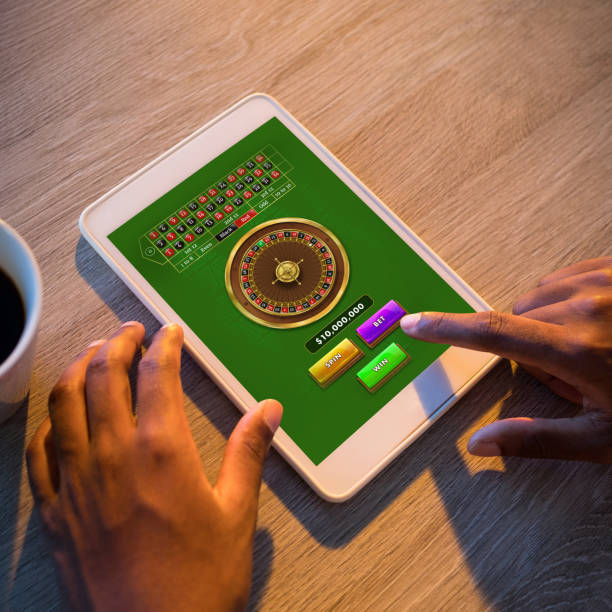
The excitement derived from unpredictable outcomes further reinforces the concept of luck in gambling. The thrill of a spinning wheel or the suspense of a dice roll can evoke strong emotions and excitement, which can overshadow more calculated approaches to gambling. This emotional high may lead players to emphasize luck as the primary driving force behind their gambling decisions, often at the expense of strategic thinking and skill development.
Luck vs. Skill: The Great Debate
The ongoing debate between luck and skill in gambling has seen passionate advocates on both sides. While some argue for the importance of developing skills in games like poker or blackjack, where strategy and psychological insight can provide an advantage, the reality remains that luck frequently dictates the ultimate outcome. Even the most skilled players cannot always account for the randomness inherent in varying situations, effectively showcasing the supremacy of luck in many contexts.
Consider games like slots or lotteries, where no degree of skill can influence the probability of winning. These games are predominantly determined by random number generators, underscoring the futility of skill in securing a favorable outcome. Players often overlook the fact that while they can learn strategies to improve their chances in skill-based games, the fundamental unpredictability of gambling solidifies luck as the unrivaled force in most scenarios, making it the key player in the gambling arena.
Moreover, even in skill-based games, the role of luck cannot be ignored. A player may execute flawless strategies but still lose due to unfavorable circumstances, such as drawing poor cards in poker. Such moments serve as stark reminders of the unpredictable nature of gambling, reinforcing the idea that luck frequently overshadows skill, regardless of a gambler’s level of expertise. This all-encompassing nature of luck contributes to its prominence in gambling culture, positioning it as a critical aspect of the gaming experience.
The Impact of Luck on Gambling Strategies
The perception of luck significantly impacts how players approach their gambling strategies. Many individuals may rely heavily on their belief in luck to guide their betting, leading to impulsive decisions rather than calculated risk management. This reliance on chance can prove detrimental; players might chase losses or overextend themselves when they believe luck is on their side, resulting in financial missteps that could have been avoided with a more strategic approach.

Conversely, understanding the predominant role of luck can help players develop more sustainable gambling strategies. When players acknowledge that outcomes are largely influenced by chance, they are more likely to set realistic expectations regarding wins and losses. This shift in mindset can lead to a more responsible gambling approach, allowing players to enjoy the experience without becoming overly dependent on luck for financial success. Recognizing luck as a significant factor can foster a healthier relationship with gambling.
Additionally, accepting luck as a primary factor can allow players to view gambling as a form of entertainment rather than a means to secure income. When individuals recognize that outcomes are largely out of their control, they can focus on the enjoyment of the game itself, enhancing their overall gambling experience. Understanding that luck is integral to gambling helps individuals engage in the activity more effectively and responsibly, ultimately leading to more gratifying experiences.
Understanding the Role of Luck on Our Website
At our website, we delve into the fascinating interplay between luck and skill in gambling. Our comprehensive articles and resources aim to educate players about the reality of chance in gambling, fostering a better understanding of how luck influences outcomes across various games. Whether you are a seasoned gambler or a novice exploring the gambling world, we strive to equip you with valuable insights that can enhance your experience and understanding of the games.
We emphasize responsible gambling practices, highlighting how understanding the role of luck can lead to healthier gambling habits. By acknowledging chance as a driving force in gambling, players can develop more realistic expectations and engage with a mindset that prioritizes enjoyment over winnings. Our content is designed to empower players to make informed decisions, allowing them to navigate the thrilling world of gambling responsibly while maximizing their enjoyment.
Ultimately, our goal is to create a community where players can explore the intricacies of luck, skill, and gambling. Through our platform, we invite you to join us in unraveling the complexities of this vibrant industry and understanding why luck often reigns supreme over skill. Together, let’s delve deep into the world of gambling and uncover the truths that lie beneath the surface of chance and strategy, enhancing your appreciation for this exhilarating pastime.